


Sifted, a Financial Times-backed media outlet focusing on the European startup ecosystem, has released its 2025 selection of the 100 fastest-growing startups in the Nordics and Benelux, ranking these companies based on average two-year revenue growth.
This year’s edition highlights the dominance of fintech, insurtech, and regtech companies, with 25 such firms appearing in the list, making these some of the most represented and fastest-growing sectors.
Within fintech, these 25 companies span multiple sub-sectors, with digital banking leading, boasting eight companies. Digital banking is followed by wealthtech with four companies, and payments with three. Other categories represented include CFO stack, fintech-as-a-service, and compliance.
Of these 25 fintech companies, 22 come from the Nordics, underscoring the region’s leadership in the fintech area. Sweden tops the list with 11 entries, followed by Denmark with five, and Norway with three. Iceland and Finland are also represented, with one entry each.
Today, we spotlight the top 10 Nordic fintech companies featured in the Sifted 100 list, looking at their value propositions and what sets them apart.
Narvi Payments – Finland (+570.82%)

Ranked second in the overall list with an average two-year revenue growth rate of 570.82%, Narvi Payments is a Nordic regulated Electronic Money Institution (EMI) founded in 2021. The company has built its own core banking technology which allows for better banking experience for users, and relies on an API-first approach that lets businesses seamlessly integrate payments.
Narvi Payments’ main offerings include IBAN accounts and international payment solutions via SEPA and SWIFT, primarily catering to business clients across the Nordics, Baltics, and broader European Union (EU) region. Key advantages include fast, paperless onboarding, robust security features, multi-user access, and transparent pricing.
Narvi Payments claims a user base of 1,000-2,000 primarily corporate customers.
Anyday – Denmark (+444.23%)

Ranked sixth overall with an average two-year revenue growth rate of 444.23%, Anyday is a Danish fintech company founded in 2020 offering buy now, pay later (BNPL) arrangements. Its service allows customers of online stores to split their payments into smaller installments, typically four interest-free installments with no fees, but also six, eight, or ten installments for a small one-time fee.
Anyday is designed to combine seamless checkout experience with transparency and ease of use, offering customers flexibility while providing businesses with higher basket sizes and improved conversion rates.
Since its launch, Anyday has seen impressive growth, attracting over 200,000 Danish users, and 3,000 partnered merchants.
Opti – Sweden (+443.61%)

Ranked seventh overall with an average two-year revenue growth rate of 443.61%, Opti is an automatic savings and investment service designed to give everyone in Sweden access to high-quality wealth management at a low cost. Founded in 2014, the company uses modern financial research to provide broad, globally diversified portfolios matched to each customer’s risk level.
Opti offers several services within savings and investment, including savings accounts, investment savings accounts (ISKs), occupational pension transfers, and capital insurance for companies. The startup claims more than 100,000 customers in Sweden, and over 600,000 downloads.
Indo – Iceland (+431.28%)

Ranked eighth overall with an average two-year revenue growth rate of 431.28%, Indo is an Icelandic neobanking startup. Founded in 2018, the company positioned itself as a smaller, more transparent, and environmentally conscious alternative to traditional banks, offering a debit card account, and a simple and convenient app, with no transaction fees, and no monthly or yearly fees on debit cards.
Indo launched to the public in January 2023, and managed to acquire over 32,000 accounts for Icelandic households in the span of just six months.
Folio – Norway (256.98%)
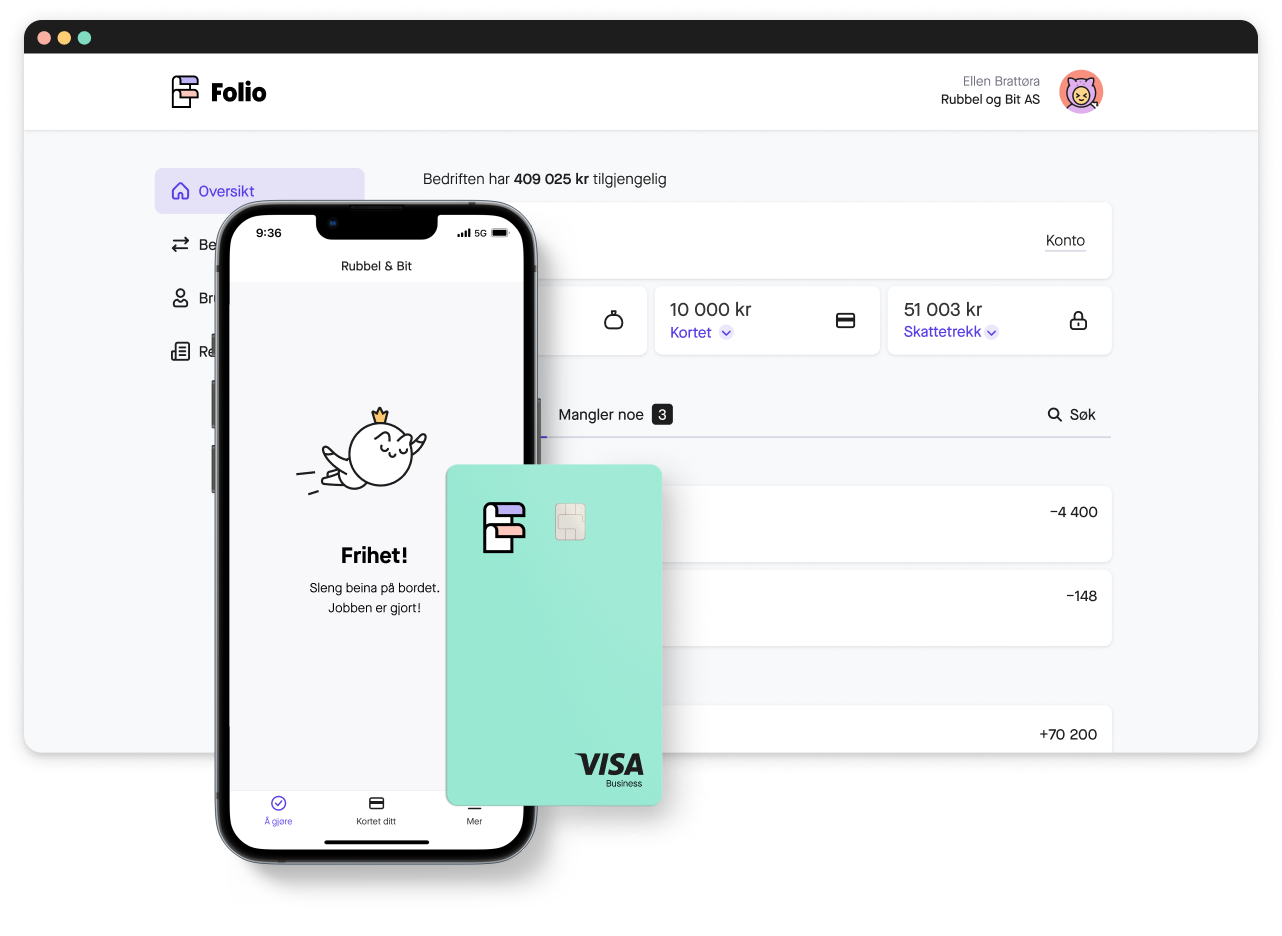
Ranked 17th overall with an average two-year revenue growth rate of 256.98%, Folio is a Norwegian fintech founded in 2018 that aims to simplify business banking. Built on top of Sparebanken Norge’s systems, Folio aims to cover all business banking needs, providing an app-based corporate card which automatically organizes expenses for accounting, eliminating manual entry, receipt tracking, and travel expense reports.
Folio claims more than 21,000 business customers, representing one in five of all new limited companies in Norway. The company is owned by Sparebanken Norge, Norway’s largest savings bank, Fiken, an accounting system, and its founders and employees.
Formalize – Denmark (+208.49%)
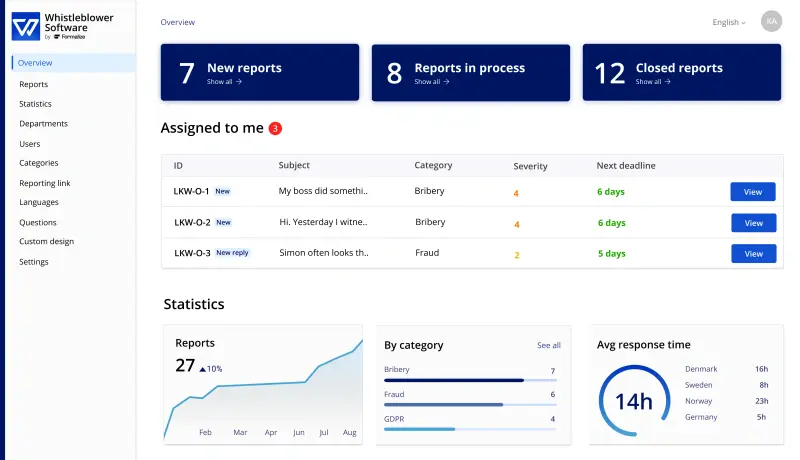
Ranked 24th overall with an average two-year revenue growth rate of 208.49%, Formalize, formerly Whistleblower Software, helps companies effortlessly navigate and stay ahead in the ever-changing landscape of compliance. Founded in 2021, Formalize’s platform consolidates governance, risk management, audits, and incident tracking into one system, and automates workflows for standards such as GDPR, NIS2, ISO 27001, and SOC2, ensuring efficiency and compliance.
Formalize claims its platform covers more than 5 million employees, and is used by over 500 consultancies, including PwC, Bird&Bird, and Baker McKenzie. Since its last funding in November 2022, the company claims to have witnessed a fivefold increase in annual recurring revenue and expanded its workforce from 20 to 90 employees.
Lassie – Sweden (+146.96%)

Ranked 39th overall with an average two-year revenue growth rate of 146.96%, Lassie claims to offer the world’s first preventive pet insurance ecosystem. Founded in 2020, this ecosystem combines insurance coverage, preventive care content, dog training courses, activity tracking, and more. Through its app, Lassie also provides price transparency across veterinary clinics and recommends healthy products for pets.
Lassie, which operates across markets including Sweden, Germany, and France, claims about 100,000 customers, covering more than 400 dog breeds and 200 cat breeds. In June 2025, the company surpassed EUR 50 million in gross written premiums, clocking over 160,000 active policies.
Kompasbank – Denmark (+136.51%)

Ranked 40th overall with an average two-year revenue growth rate of 136.51%, Kompasbank is a Danish neobank focused exclusively on small and medium-sized enterprises (SMEs). The company was founded in 2017 to address the challenges faced by SMEs with the traditional banking system, including long response times, and inflexible processes.
With a cloud-based, API-driven platform built from scratch, Kompasbank delivers fast, flexible financing solutions. The bank differentiates itself by bringing together deposits, financing, payments and digital tools in one unified platform that is tailored to the needs of SMEs.
Sesamy – Sweden (+133.20%)
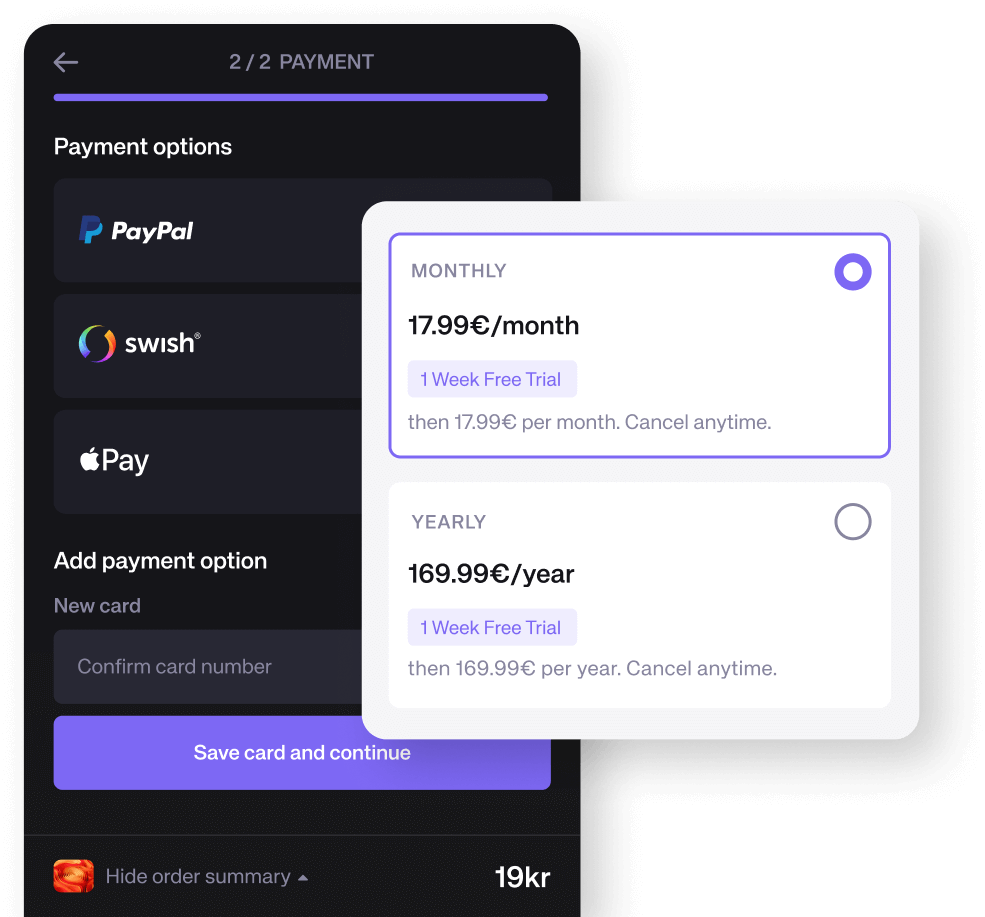
Ranked 41st with an average two-year revenue growth rate of 133.20%, Sesamy is an artificial intelligence (AI)-powered platform for content monetization. The platform allows consumers to pay for individual pieces of digital content, including podcast episodes, audiobooks, or long-read articles, without subscriptions. For publishers, podcasters, and content creators, Sesamy allows them to unlock new revenue streams, whether through single purchases, bundles, or subscriptions.
Founded in 2021, Sesamy claims it now works with more than 40 publishers from Sweden, Norway, the UK, Italy and Poland, and integrates directly into content management systems like WordPress and Spotify.
New members of the platform can opt for a revenue share system, or pay a fixed monthly price to get full access to Sesamy’s tools. Once incorporated into it, publishers are given plug-ins on their content management systems. Once integrated, they have full freedom to decide what they want to put behind Sesamy’s “soft paywall” which can be unlocked by providing a user’s personal information.
Juni – Sweden (+127.07%)
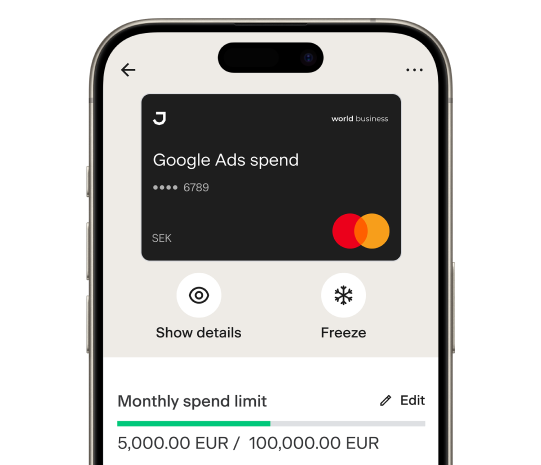
Ranked 42nd with an average two-year revenue growth rate of 127.07%, Juni is a SME banking startup. Founded in 2019, the company provides multi-currency IBAN accounts, virtual and physical cards, spend management tools, and flexible credit lines through its Juni Capital product. By integrating financing, expense tracking, and automation, Juni aims to hekpl SMEs manage cash flow, streamline accounting, and operate globally with ease.
Juni is licensed as an EMI by the Swedish Financial Supervisory Authority, and partners with regulated institutions such as Mastercard and the Bank of Lithuania to ensure security and compliance. The startup has plans to apply for a bank license to further expand.
Featured image: Edited by Fintech News Nordics, based on image by Alexandr Bormotin via Unsplash
